A contained defect
A localized repair fits when the damage is limited and adjoining shingles, deck and flashing can accept the new work. The repaired area has to extend to those sound connections, even if that is wider than the opening you saw.
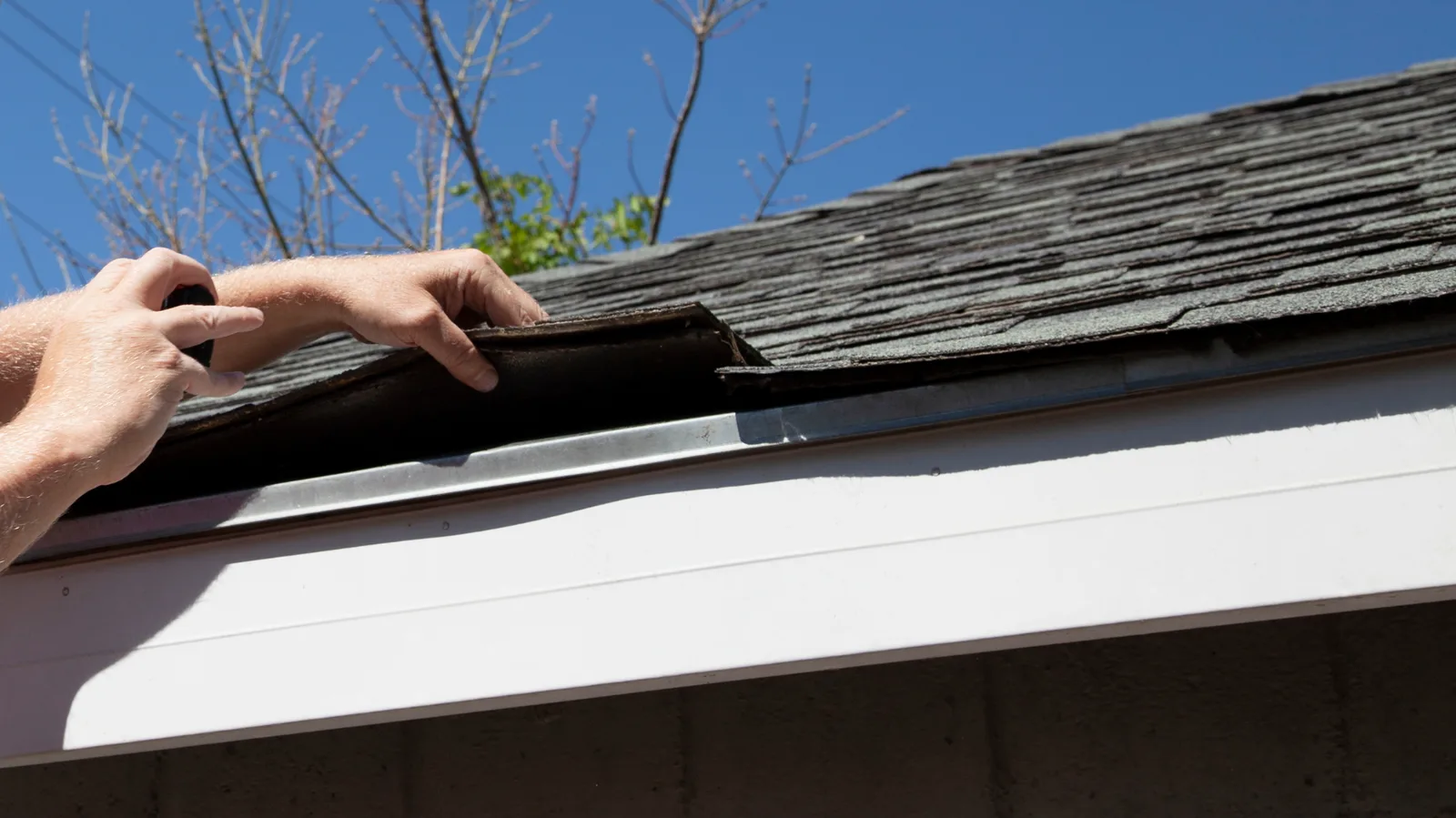
A repair has to connect the damaged part back to a sound roof. We look at what failed, what is underneath it and how much surrounding material needs attention. Request a free inspection in Richardson.
An opening at a nail, vent or wall joint can let water beneath shingles that still look serviceable. Covering the stain’s nearest spot with sealant does not rebuild those layers. The useful question is which detail has failed and what work will restore its connection to the roof.
We examine the likely entry path and the roofing around it. Water can run along the deck or framing before it reaches the room, so the indoor mark and the roof opening do not have to line up. A moved shingle, a cracked pipe collar and a separated wall flashing each call for a different repair.
If you have been through a repair and the leak has returned, mention that when you call. Our roof leak repair guidance explains why recurring water needs a fresh look at the path, including nearby walls and other building details.
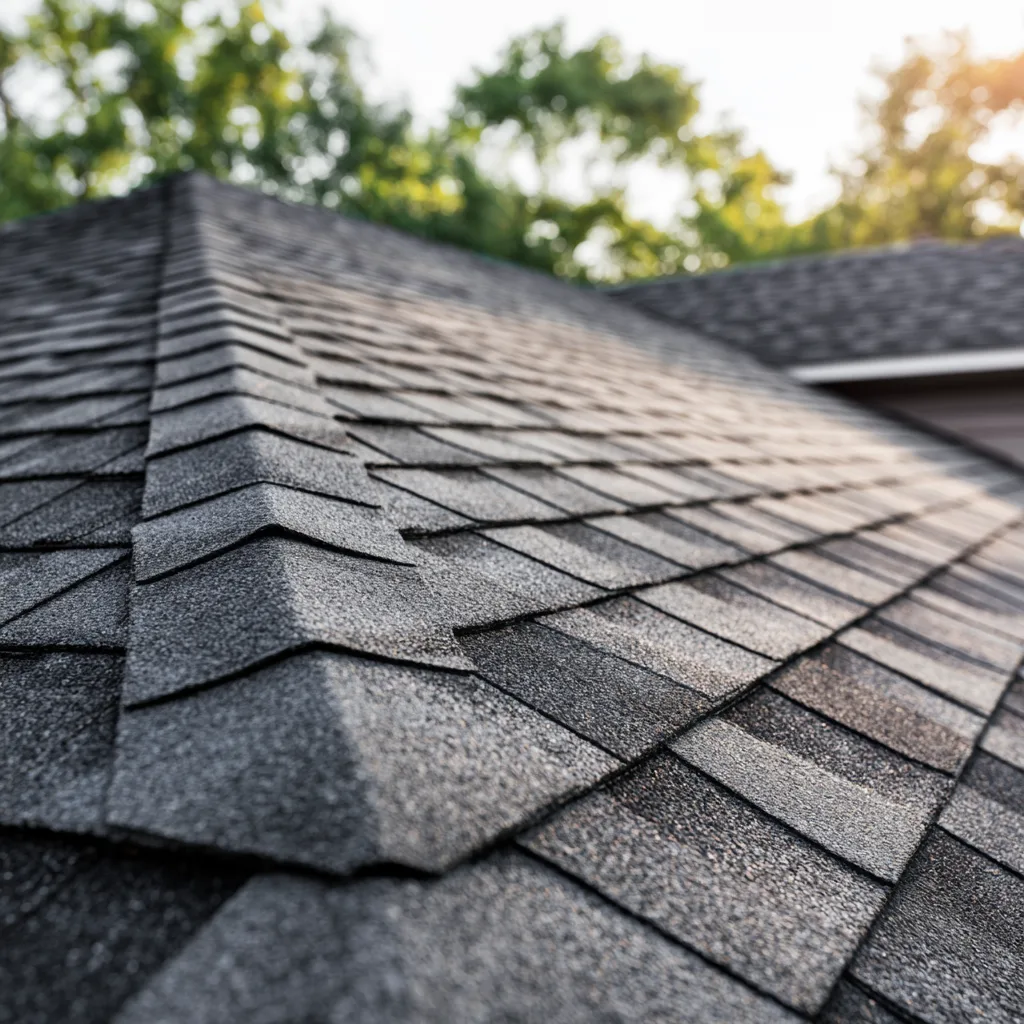
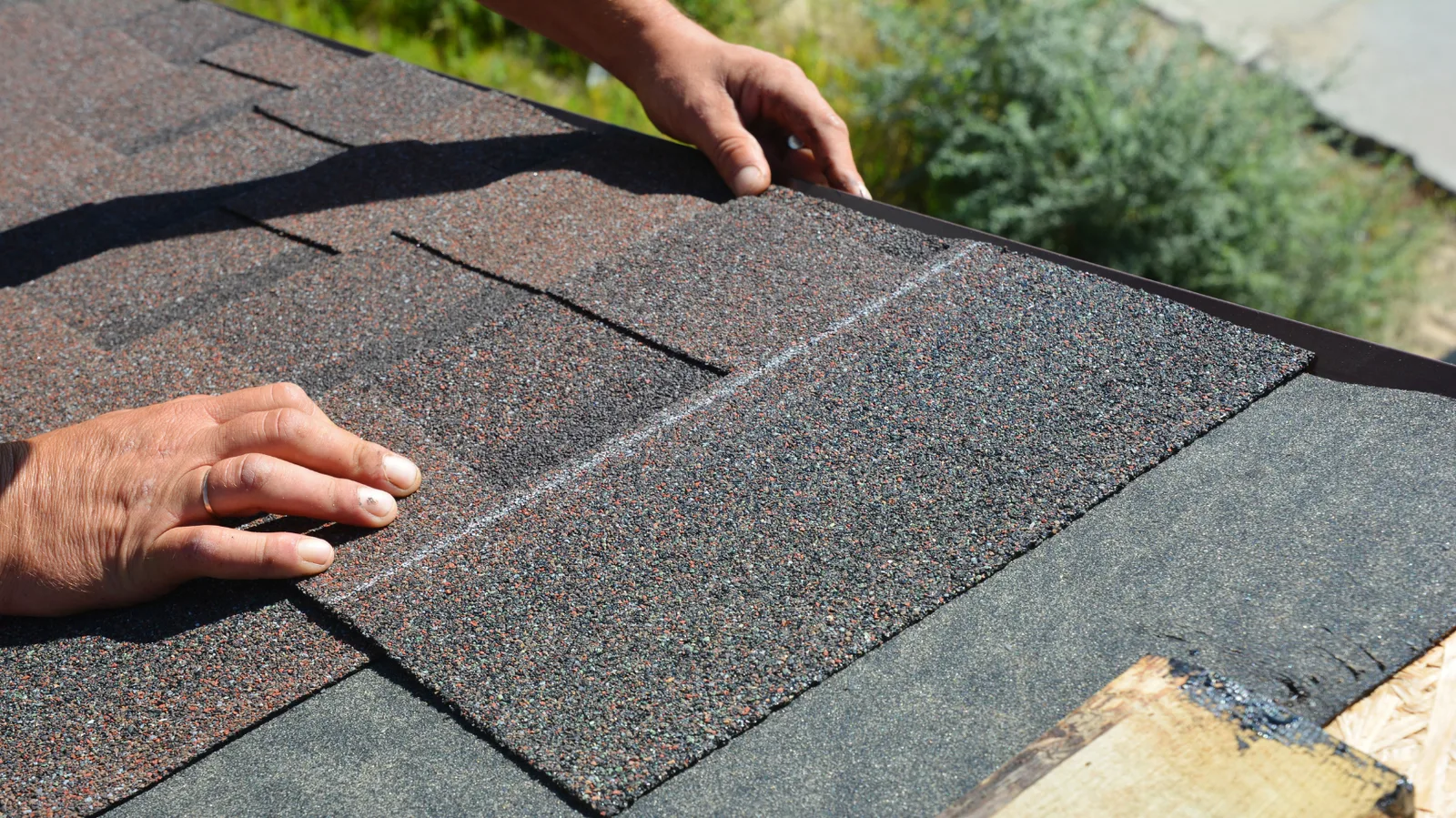
The repair starts by releasing enough of the adjoining courses to remove the failed material and reach the fastening area. Replacement shingles must fit the existing roof system, and the remaining shingles must tolerate the work without breaking. The repair also needs a sound deck and correctly lapped water protection underneath.
A visual color match is a separate question from a working repair. Older shingles can have weathered differently from new stock. When the roofing is brittle or damage continues beyond the spot, replacing more of the slope becomes part of the discussion.
The collar around a plumbing vent seals against the pipe; its base must also join the shingles so water flows over the assembly. Replacing only exposed sealant leaves a problem if the base or nearby covering is damaged. We look at that whole detail before choosing the work.
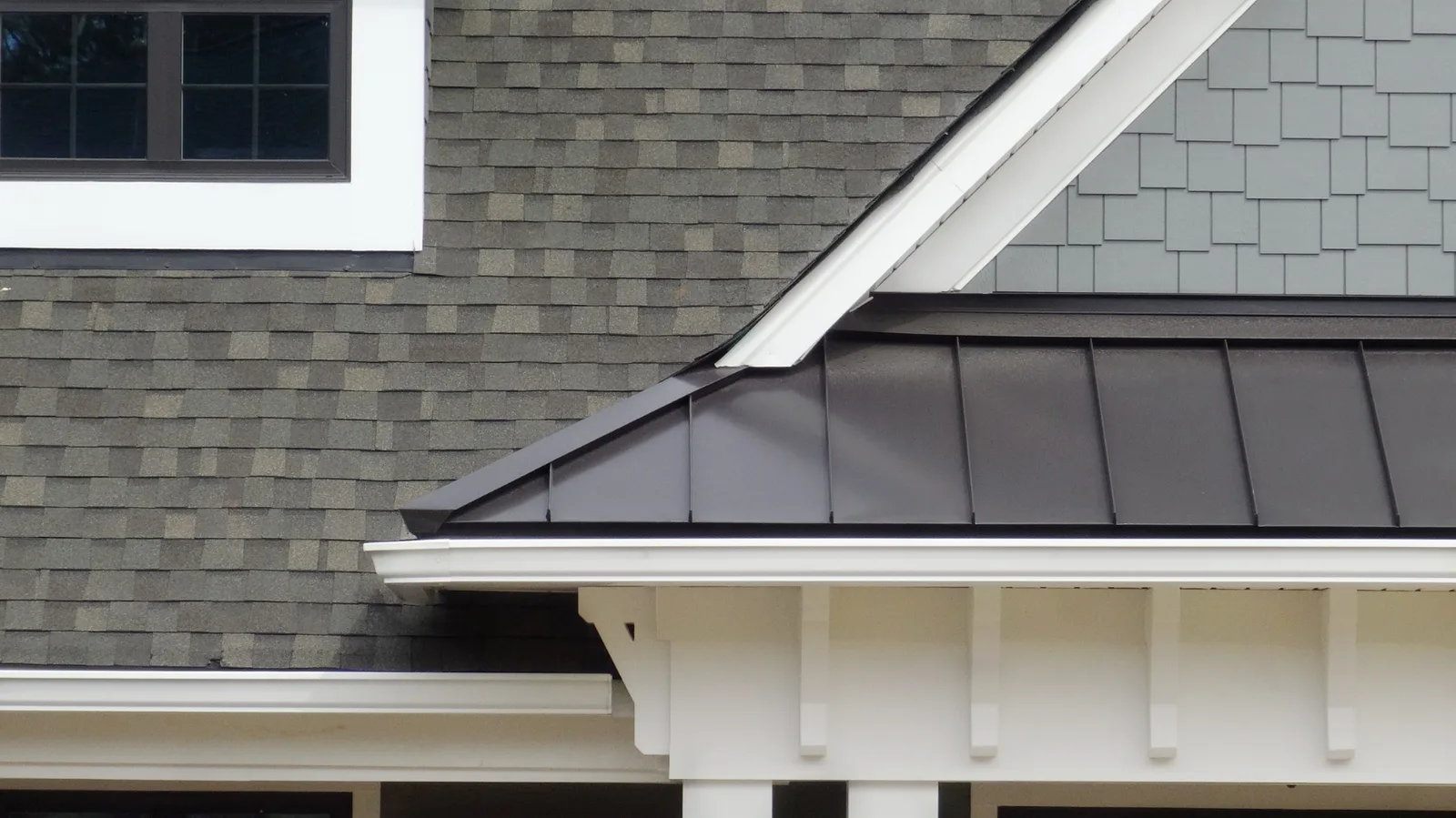
At a wall or chimney, metal flashing directs water across a change of plane. Repair can require lifting shingles and working with counterflashing or wall finishes so the layers overlap properly. Cracked masonry or an opening higher in the wall may need a separate trade as well as roofing work.
Read about flashing repairA localized repair fits when the damage is limited and adjoining shingles, deck and flashing can accept the new work. The repaired area has to extend to those sound connections, even if that is wider than the opening you saw.
Water-damaged decking or underlayment changes what has to come off. Replacing the top layer over an unsound base leaves the roof poorly supported. The affected material needs removal and replacement before the covering is rebuilt.
Repeated failures or widespread brittle roofing can leave too little reliable material to tie a patch into. In that situation, replacing a slope or the covering deserves a clear comparison with further repair. There is no useful universal repair-cost percentage that decides this for every roof.
A small repair still needs a defined scope. The sequence keeps the visible concern connected to the physical work.
A free roof walk examines the covering and connections under suitable access conditions. Tell us where you first noticed trouble; the inspection does the roof investigation.
Identify the material being replaced, how it joins retained roofing and whether opening the area could reveal wood or other concealed damage. Access, steepness and material availability matter here.
The repair rebuilds the affected layers and their water-shedding overlaps. The completed area needs a check of fasteners, seals, flashing and adjoining material. Any separate interior or wall work should remain clear in the project discussion.
Repair cost follows the amount of roofing that must be opened and rebuilt. A reachable pipe detail is different from a steep roof-to-wall connection that needs shingles, metal and adjacent finishes disturbed. Matching materials and replacing damaged wood add different kinds of work.
We explain those parts of the repair instead of treating the size of an indoor stain as a price guide. A ceiling repair also has its own scope after the source of water and any drying needs are addressed. Insurance payment is a separate matter, determined by the cause, policy and insurer.
If the inspection points toward broader replacement, the roof cost calculator gives a regional planning example. It does not price a small repair or decide insurance coverage.
Pitch, height and the amount of covering disturbed.
Decking, water protection and flashing condition.
Compatible roofing and any wall or interior work outside the roof scope.
Yes, when compatible replacement material is available and the adjoining shingles, deck and flashing support the repair. Shingles that crack when lifted or damage spread across the slope can make a wider replacement more sensible.
Wet or stormy conditions can make roof access unsafe and interfere with materials bonding properly. Tell us if water is entering now so temporary protection and the permanent repair can be discussed separately. Stay off the roof and away from wet electrical fixtures or a sagging ceiling.
No. The repair contractor’s terms identify the work covered and any limits. A product warranty addresses its own covered defects. Neither automatically covers every part of an existing roof.
Yes. You can request a free inspection and roof walk. Start with the location and what you have noticed, including any earlier repair in the same area.
A new leak or a patch that keeps failing deserves a clear explanation. Tell us where water is showing up, or what you have seen from the ground.