The roofing portion
Repair or replace failed flashing, connect it to the surrounding covering and address damaged decking found in the work area. Sound adjoining roofing may remain if it can be lifted and joined reliably.
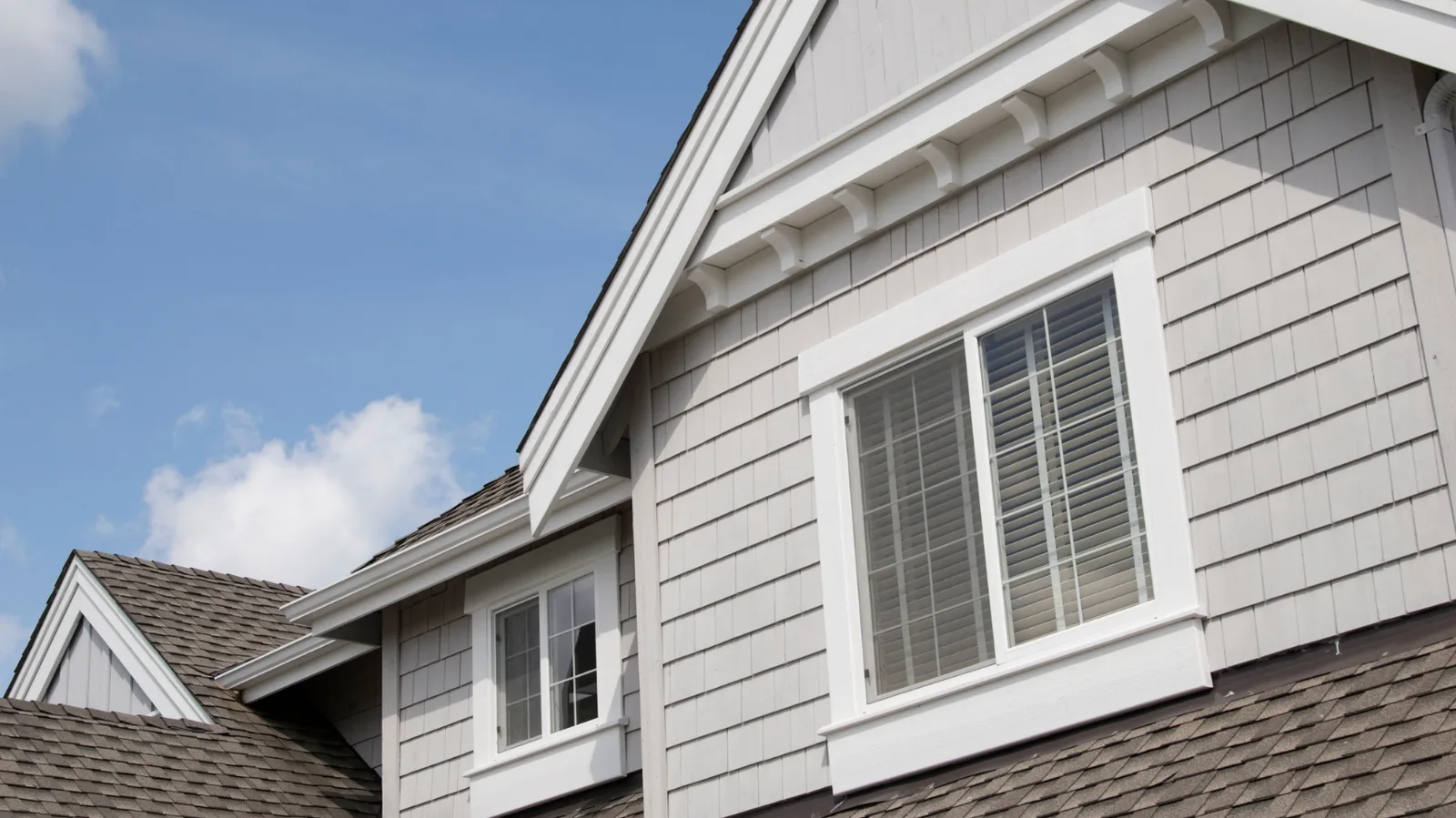
Leaks often begin where the roof meets a wall, chimney or pipe. Flashing repair restores the path that carries water across that connection and back onto the roof.
The roof covering cannot simply stop against a wall and expect sealant to do the rest. Flashing provides overlapping pieces that redirect water where the surfaces meet. When metal is missing, incorrectly lapped or separated from the adjoining material, water can run behind an otherwise sound roof.
Repair means examining how that connection was built. A leak at a porch roof may require opening the lower shingles and part of the wall finish to reach the flashing. The work boundary follows the water path and access to the joint, not just the size of the visible stain.
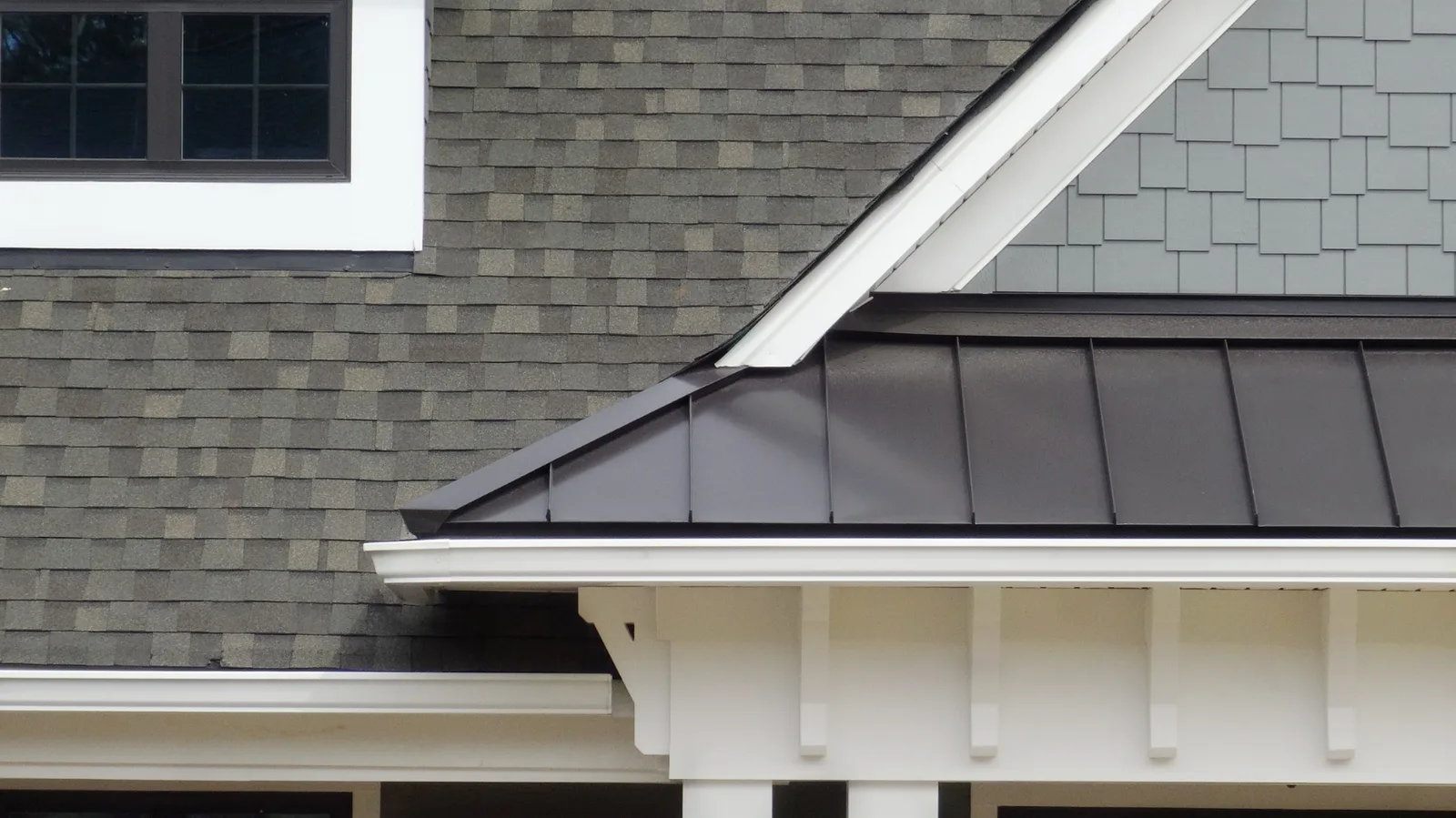
The right repair depends on the type of connection and what can be retained around it.
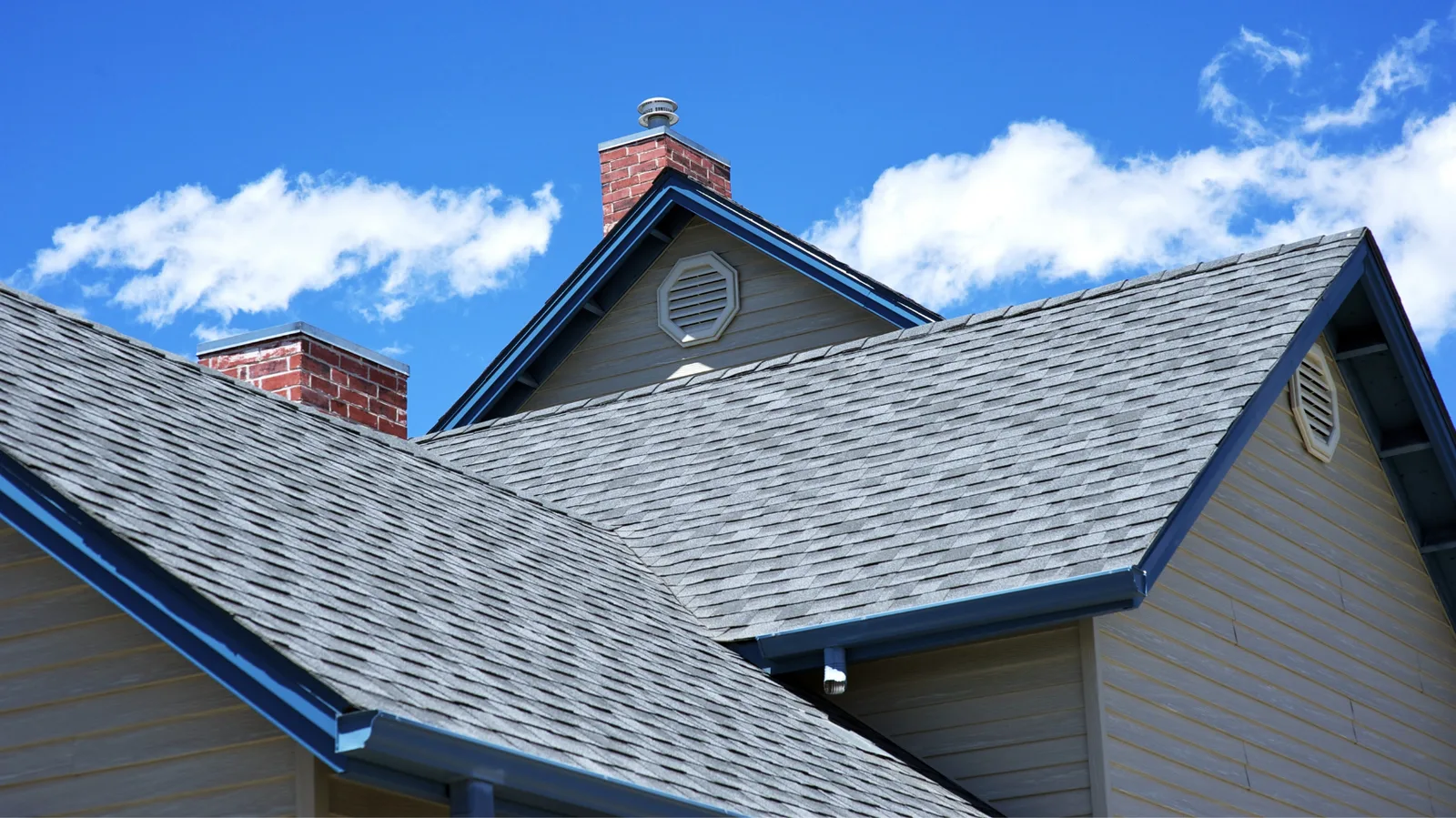
Step flashing interleaves with the shingle courses along a sloping wall. The wall-side weather protection must overlap it so water travels outward. A repair can need selective removal of both roofing and wall finish to rebuild that arrangement.
Surface sealant has a role in specified details, but it cannot replace the missing layers behind the joint. GAF describes flashing’s water-directing role.
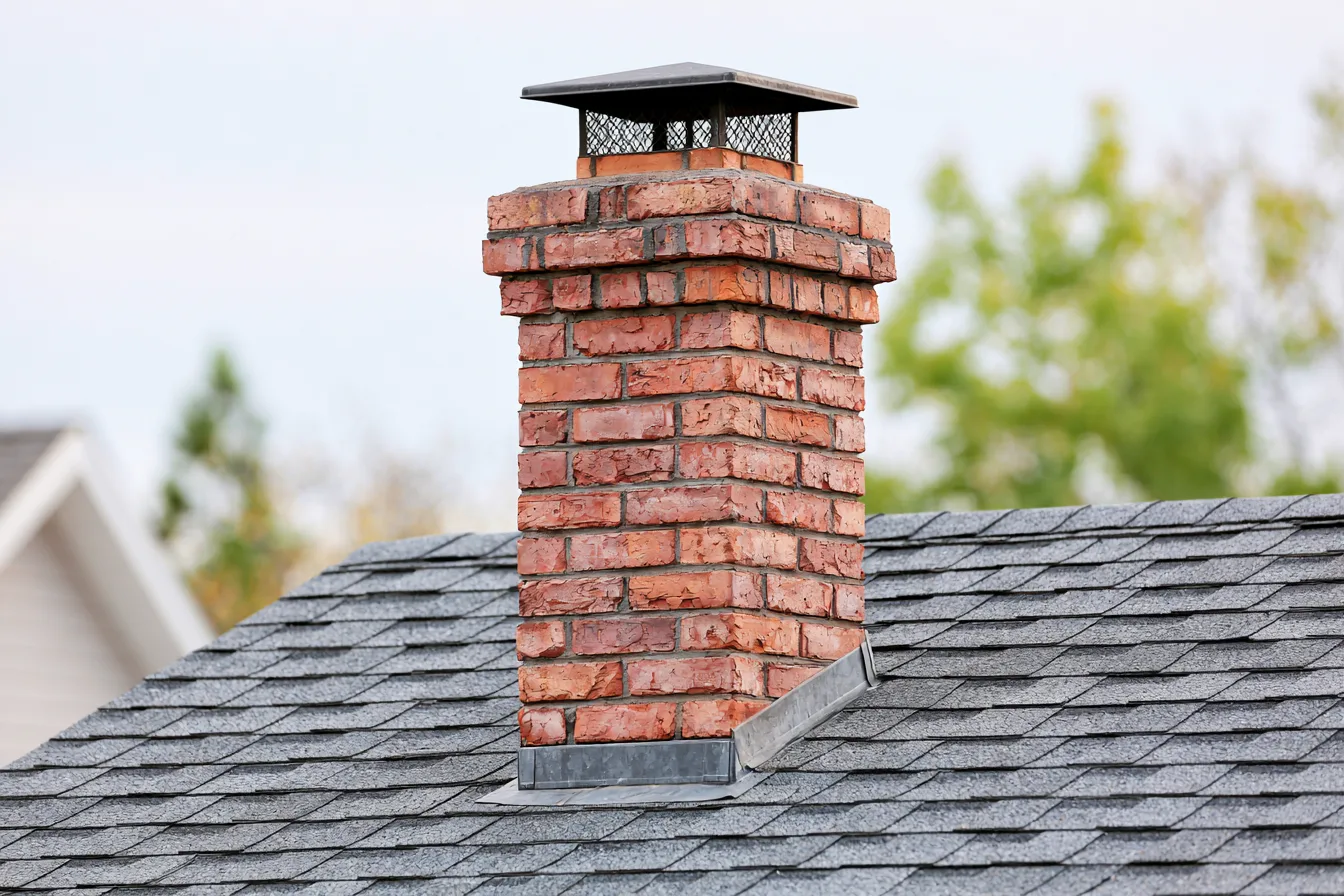
Base and step flashing handle water at roof level; counterflashing protects their upper edges at the chimney. Separating those pieces helps explain why a bead along the outside may fail again.
The masonry above the roof also needs consideration. Water entering cracked mortar or a failed cap can travel behind an intact roofing joint.
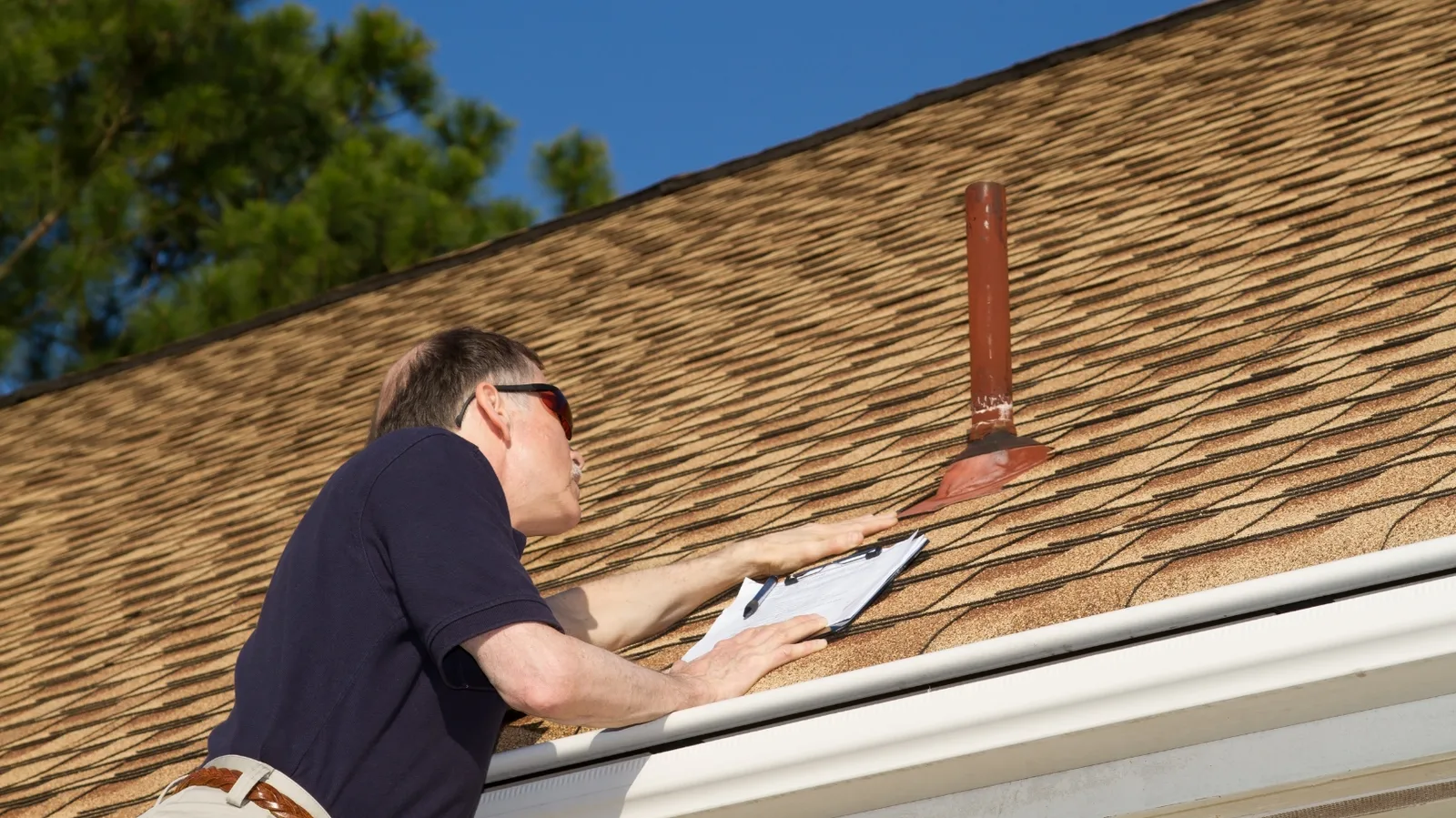
A pipe boot combines the roof-level flashing base with a seal around the pipe. A split collar or a poorly integrated base can let water through.
The replacement needs to suit the pipe and covering, with surrounding shingles lifted enough to form proper laps. Repeatedly coating a deteriorated boot leaves the failing component in place.
Repair or replace failed flashing, connect it to the surrounding covering and address damaged decking found in the work area. Sound adjoining roofing may remain if it can be lifted and joined reliably.
Mortar, caps, siding, window joints or structural movement can need another trade. The proposal should distinguish that work from the roofing repair so the water source above the joint is not overlooked.
Often it can, when the surrounding shingles and deck are sound and the joint is accessible. Brittle roofing or flashing trapped behind damaged wall finishes can require a wider work area.
No. A chimney cap, crown or masonry joint can admit water above the roof. Flashing and the chimney itself need to be distinguished before the scope is set.
The flashing is integrated with overlapping roofing and wall layers. Accessing those laps lets the repair direct water outward; covering only the exposed edge may leave the underlying entry path unchanged.
Tell us where the leak appears and whether it has been repaired before. Request a free inspection in Richardson.